Cheap rubbish removal near Tooting Common real cost guide
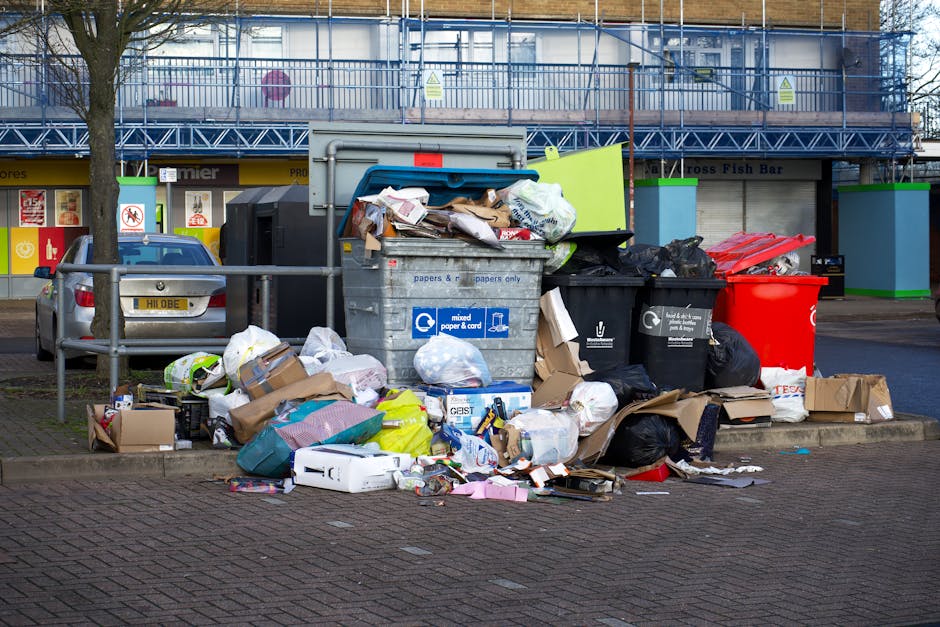
If you are trying to clear a few bulky items, a garden mess, or a full flat load without paying silly money, you are probably comparing a handful of local options and wondering what the real cost looks like. That is exactly what this guide is for. Cheap rubbish removal near Tooting Common real cost guide breaks down how pricing usually works, what pushes a quote up or down, and where the hidden extras tend to appear. It also shows you how to keep costs sensible without cutting corners on safety, recycling, or reliability.
To be fair, rubbish removal can look simple from the outside: a van turns up, the waste disappears, job done. In reality, a proper price depends on labour, access, load size, disposal fees, and the type of waste. A small load can be straightforward. A three-storey walk-up on a damp Tuesday morning? Different story. Let's unpack it properly.
Why Cheap rubbish removal near Tooting Common real cost guide Matters
People often search for cheap rubbish removal because the headline price sounds manageable, but the bill can climb quickly if you do not understand what is actually being sold. That matters even more around Tooting Common, where parking, access, and road timing can affect how easy a collection is to complete. A quote that looks low at first glance may leave out labour, stair carries, congestion time, or waste type charges.
There is also the practical side. If waste sits in a hallway, a front garden, or a shared entrance for too long, it becomes a nuisance. The smell alone can make a space feel worse than it is. Old furniture, broken appliances, and bagged waste also take up mental space. You keep seeing them. They keep annoying you. Simple as that.
A real cost guide helps you compare like with like. That means not just asking, "What is the cheapest?" but "What do I get for the price, and what might be added later?" That one question saves a lot of frustration.
How Cheap rubbish removal near Tooting Common real cost guide Works
Most rubbish removal services price by a mix of volume, weight, waste type, and access. In plain English, the more stuff you have, the harder it is to move, and the more specialist the disposal, the more you will pay. That is the basic formula, though the details vary.
Here is how it usually works in practice:
- You describe the waste - photos help a lot, especially for mixed loads.
- The provider estimates the load - often by portion of a van, full van, or by item count.
- Access is checked - stairs, tight hallways, basement entrances, and parking restrictions can all matter.
- Waste is sorted - general household waste, green waste, furniture, builders' waste, or office waste may be handled differently.
- The collection happens - labour, loading, and disposal are bundled, or itemised if the job is more complex.
One small but important point: cheap does not always mean "basement price with no fuss." Sometimes it means a fair, tidy service that avoids unnecessary admin and makes the route efficient. Other times it means a quote that looks light because it excludes real work. That is why a transparent breakdown matters.
If you want to check a provider's approach before booking, their pricing and quotes information is a useful place to start, and their waste removal service page can help you understand what kinds of jobs are commonly handled.
Key Benefits and Practical Advantages
When the pricing is clear, rubbish removal becomes much easier to plan. You know what to expect, when the team is coming, and whether it is worth using a professional service or doing the job yourself.
Some of the main advantages are straightforward:
- Speed - many clearances are handled in a single visit.
- Less physical strain - no dragging a wardrobe down stairs on your own, which is not a fun Saturday for anyone.
- Cleaner spaces - useful before a move, tenancy end, renovation, or sale.
- Better sorting - recyclable items and reusable pieces can be separated more responsibly.
- Less disruption - especially helpful if access is awkward or you live in a flat.
There is also a financial benefit if you compare carefully. A service that seems slightly more expensive can actually be better value once you factor in loading time, disposal, and time saved. Truth be told, the cheapest quote is not always the cheapest outcome.
For bigger household jobs, it can help to look at related services such as house clearance, home clearance, or flat clearance if the waste is mixed with furniture, bagged items, or general clutter.
Who This Is For and When It Makes Sense
This kind of service is useful for a lot of different people, and not only during major life events. A few bagfuls after a declutter can still be worth collecting if you do not have a car or do not want to queue at a reuse and recycling centre.
It tends to make sense for:
- tenants clearing out a flat at short notice
- homeowners dealing with attic, garage, or shed clutter
- landlords preparing a property between lets
- small businesses getting rid of old office furniture or packaging waste
- households after a renovation or DIY project
- people who simply want the job done quickly and properly
It may also be the right choice if you have mixed items and do not want to spend the entire day separating wood, metal, textiles, and bags of odds and ends. You know the sort of thing: one broken lamp, three mystery cables, a box of magazines from 2019, and a chair that has somehow survived everything. It adds up fast.
Step-by-Step Guidance
If you want the best price without unpleasant surprises, follow a simple process. It sounds obvious, but a lot of people skip the basics and end up paying more.
- Make a full list of what needs removing. Include bulky items, loose bags, garden waste, and anything hidden in sheds or lofts.
- Take clear photos. Wide shots plus close-ups give a much better estimate than "it's roughly a van load."
- Ask what is included. Confirm labour, loading, disposal, and whether there are extra charges for stairs or difficult access.
- Separate special waste. Fridges, mattresses, paint tins, plasterboard, and electrical items can be treated differently.
- Check access details. Mention parking, lift access, narrow corridors, or any restriction near the property.
- Request a written quote. Even a simple message helps reduce misunderstandings later.
- Choose a time that suits the load. If you are adding more items before collection, say so in advance.
A small tip from real-world experience: if you are on a budget, organise the items before the team arrives. A tidy pile near the exit can shave time off the job and keep labour costs down. It is boring advice, but it works.
Expert Tips for Better Results
There are a few practical ways to keep rubbish removal affordable without making the job messy or risky. These are the details people usually learn the hard way.
- Bundle similar waste together. Mixed loads can be harder to price than a clear pile of garden waste or furniture.
- Be honest about volume. Underestimating the load often leads to a revised price on the day.
- Ask whether reusable items can be separated. That may help with value and reduce waste going straight to disposal.
- Keep pathways clear. Even ten minutes spent moving boxes can make a difference when the team arrives.
- Book before peak pressure periods if possible. End-of-month moves and weekend slots can be busier.
Another useful habit is to think in categories, not just items. For example, a sofa, a broken table, and a few bags of soft furnishings are not the same as a single sofa. The handling and disposal route may be different. Small distinction, yes. Price difference, often yes too.
If your waste is mainly old furniture, you may find the related furniture clearance and furniture disposal pages helpful for understanding service scope.
Common Mistakes to Avoid
The biggest mistakes are usually not dramatic. They are small oversights that make the job more expensive or more stressful than it needs to be.
- Only comparing headline prices. A low quote without clear inclusions is risky.
- Forgetting about access. A top-floor flat with no lift is a very different job from a ground-floor pickup.
- Mixing waste types without saying so. Builders' debris, electrical items, and furniture can affect the estimate.
- Leaving items in several rooms. Scattered waste takes longer to load. Longer loading often means a higher final cost.
- Assuming everything can go in one pile. Some items need separate handling for safety or disposal reasons.
One more thing: if the service provider cannot explain their quote in normal language, pause. You do not need a lecture. You need clarity.
Tools, Resources and Recommendations
You do not need specialist gear to prepare for rubbish removal, but a few simple tools help enormously:
- Phone camera for taking photo estimates
- Marker pen or labels for marking items you want removed
- Gloves if you are sorting sharp or dusty items
- Strong bags or boxes for loose clutter
- Measuring tape if you are unsure about large items
For certain jobs, it also helps to compare related clearance types before booking. For example, a messy loft often needs a different approach from a garage, and a post-refurbishment pile is not the same as general household clutter. Relevant pages such as loft clearance, garage clearance, and builders waste clearance can help you match the right service to the job.
If you want reassurance about how a company handles operations, look at their pages on insurance and safety, health and safety policy, and recycling and sustainability. Those pages tell you a lot about whether the business takes the basics seriously.
Law, Compliance, Standards, or Best Practice
Rubbish removal is not just about lifting and loading. In the UK, waste has to be handled carefully and passed to appropriate facilities. You do not need to memorise every rule, but you should expect a proper service to work with care, keep things lawful, and avoid casual fly-tipping shortcuts. That part matters a lot.
As a customer, your job is mostly to use a reputable provider, give an honest description of the waste, and keep an eye out for anything that sounds off. If someone offers a price that feels absurdly low and cannot explain where the waste goes, that is a red flag. Cheap is useful. Suspiciously cheap is different.
Best practice usually includes:
- clear item descriptions before collection
- transparent pricing and written confirmation
- safe lifting and loading practices
- respect for neighbours, access routes, and shared spaces
- responsible sorting for recycling or disposal
For businesses, there is also the added need to keep waste handling neat and traceable. Office clearances, stock room clear-outs, and day-to-day commercial waste can all involve different expectations. If that is your situation, the business waste removal and office clearance pages are worth a look.
Options, Methods, or Comparison Table
There are several ways to get rid of rubbish, and the right choice depends on time, volume, mobility, and how hands-on you want to be. Here is a simple comparison.
| Option | Best for | Likely upside | Possible downside |
|---|---|---|---|
| Professional rubbish removal | Mixed loads, bulky items, quick turnaround | Convenient, fast, less lifting | Can cost more than DIY for very small loads |
| DIY trip to a recycling centre | Small, manageable loads and accessible transport | Potentially cheaper on paper | Time, fuel, loading effort, and queueing |
| Man and van style collection | Light to medium household clearances | Flexible and often straightforward | Pricing can vary a lot if scope is vague |
| Specialist clearance service | Lofts, garages, flats, furniture-heavy jobs | Better fit for complex clearances | May be less suitable for a single small item |
As a rule of thumb, the more awkward the job, the more useful a professional clearance becomes. If you only have one chair and a couple of bags, DIY may still win. If you are dealing with a full room of furniture and clutter, not so much.
Case Study or Real-World Example
Here is a realistic example from the kind of job people around Tooting often face. A tenant is moving out of a second-floor flat near Tooting Common and wants to clear a mattress, a broken shelving unit, three bin bags, and a few smaller items from the spare room.
At first, it sounds like a tiny job. But then the details appear: no lift, a narrow stairwell, limited parking, and a time window before keys are handed back. Suddenly, the quote is not just about the amount of rubbish. It is about loading time, access, and how quickly the team can work without blocking the stairwell or frustrating neighbours.
In that situation, the cheapest option on paper may not be the cheapest in practice. A provider that gives a clear quote, explains access assumptions, and arrives ready to load efficiently can save time and stress, even if the number is slightly higher. And honestly, the peace of mind is worth something. You only want to do a move like that once.
That is why a real cost guide matters. It helps people separate cheap from good value.
Practical Checklist
Use this checklist before booking rubbish removal near Tooting Common:
- Have I listed every item that needs removing?
- Have I taken clear photos from several angles?
- Have I mentioned stairs, parking, or restricted access?
- Do I know whether the waste is general, bulky, garden, builders', or mixed?
- Have I separated anything that may need special handling?
- Did I ask what the quote includes?
- Is the price written down clearly?
- Have I checked the provider's safety and insurance information?
- Have I cleared the path so the job can be done quickly?
- Do I understand the expected collection window?
If you can tick most of those boxes, you are in a much better position to get a fair price. Simple prep tends to pay for itself.
Get a free quote today and see how much you can save.
Conclusion
Cheap rubbish removal near Tooting Common real cost guide is really about understanding value, not chasing the lowest number in isolation. Once you know what affects price, you can compare quotes properly, avoid unnecessary add-ons, and choose a service that fits the job instead of guessing.
The best outcome is usually the one that feels calm and predictable: the waste is described honestly, the access is clear, the price makes sense, and the team turns up ready to work. No drama. No awkward surprises. Just a cleaner space and a lighter head.
If you are planning a clearance soon, take ten minutes to photograph the load, check the access, and decide what really needs removing. That small bit of prep can make all the difference. And once it is gone, you will notice the room feels different straight away. Brighter, quieter, easier to use. That is the nice part, really.
Frequently Asked Questions
How do I know if a rubbish removal quote is genuinely cheap?
A genuinely cheap quote is one that is clear, includes the work you actually need, and does not hide extra charges. If the provider explains the price in plain language and the scope matches your waste load, that is usually a better sign than the lowest number alone.
What makes rubbish removal more expensive near Tooting Common?
Common cost drivers include difficult access, stairs, parking restrictions, heavier waste, mixed materials, and larger load volume. If the team has to carry items a long way or sort them on site, the price can rise.
Is it cheaper to move the rubbish to the pavement myself?
Sometimes it may save a little labour time, but it is not always worth it. You still need to keep access safe, avoid blocking paths, and make sure items are handled properly. If the load is bulky or awkward, the savings may be small.
Can I get a price from photos alone?
Yes, photos are often the quickest way to get an estimate. Wide shots, plus images of anything unusual, help a lot. If access is awkward, mention that too, because photos do not always show stair width or parking issues clearly.
What kind of rubbish is easiest to remove cheaply?
Clear, single-type loads are usually easiest to price. Garden waste, bagged household clutter, or a small amount of furniture is often simpler than a mixed load with electrical items, rubble, and soft furnishings all together.
Do I need to sort the waste before collection?
Not always, but sorting can help with pricing and speed. If you can separate furniture, garden waste, and general rubbish, the job may be simpler. It also makes it easier to identify anything that needs special handling.
What if I only have one or two large items?
That can still be worth booking if the items are heavy, awkward, or hard to dispose of yourself. A single sofa or mattress can be more troublesome than people expect. A proper collection saves time and a lot of lifting.
Is same-day rubbish removal usually more expensive?
It can be, depending on availability and how urgent the booking is. Same-day work often needs more flexible scheduling, so asking early is usually the better move if you want to keep costs down.
How can I avoid hidden charges?
Ask what is included before you book: labour, loading, disposal, stairs, parking, and any special waste handling. If something is unclear, get it written down. That one habit removes most of the risk.
What should I do if my rubbish includes furniture or office items?
Say so up front. Furniture-heavy jobs can be handled differently from general rubbish, and office waste may need a different approach again. Relevant services like furniture clearance or office clearance are often a better fit than a generic load.
Is cheap rubbish removal worth it for a small job?
If the job is small but awkward, yes, it often is. You are paying for convenience, speed, and proper disposal, not just van space. If you have transport, time, and a simple load, DIY may still be the better choice.
What is the best way to compare providers fairly?
Compare the same job description, the same access details, and the same waste type. A fair comparison is only possible when everyone is pricing the same brief. Otherwise, the cheapest quote may simply be the vaguest one.
Where can I learn more about safe and responsible disposal?
Look for provider information on recycling, safety, insurance, and how they handle waste. Pages such as recycling and sustainability, health and safety policy, and insurance and safety give helpful clues about standards and working practice.